
2002 - "Call to Adventure"
2002
August 5, 1986
“Splinter & Drift”
- Draft-like opening flags a core theme: resistance to others pushing will/energy onto Peter.
- Depicts life as constant psychic pressure—people’s intentions and emotions felt as battering forces.
- Uses X-Men/telepath imagery to describe sensitivity and inability to filter collective “noise.”
- Traces coping strategies: turning up fire, pushing back, shutting down, aspiring to invulnerability.
- Reframes the “war” as misunderstanding of ordinary influence dynamics amplified by extreme sensitivity.
- Points toward learning discernment and boundaries without losing selfhood in the social field.
Read More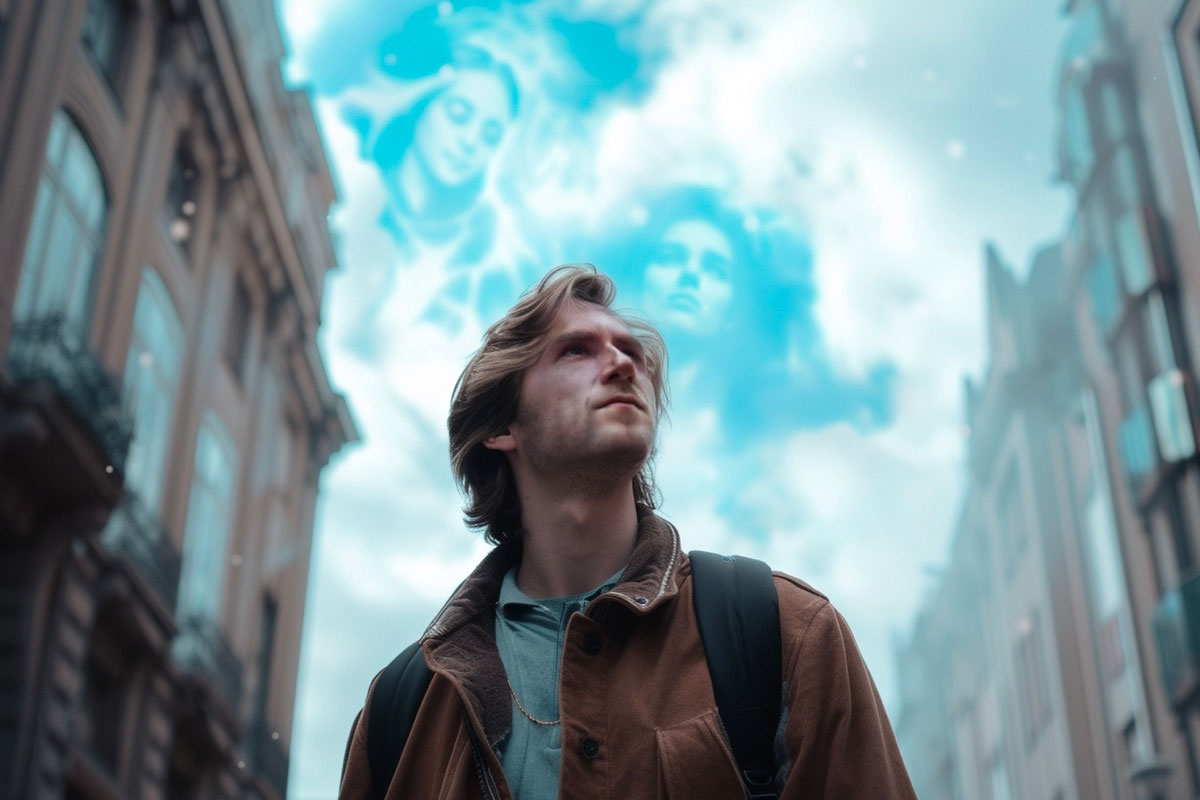
January 1, 2002
“Hearing the Call”
- Frames the Quest as a conscious commitment to seek the real magical world rather than imagined fantasy.
- Recounts childhood fascination with explorers and hidden kingdoms as a template for the path ahead.
- Describes unstable, flickering perception and the need to stabilize and “anchor the lightning.”
- Marks a decisive break from tabletop roleplaying in favor of lived adventure and devotion.
- Uses photography as proof and tether—capturing moments of alignment to track the way back.
- Establishes devotion to a larger cause and the determination to heal splintering through pursuit of wonder.
Read More
January 19, 2002
“The Tower”
- Sets the Brooklyn loft at Tillary/Flatbush as the early 2002 base of operations after 9/11’s rupture.
- Recounts witnessing the Twin Towers’ fall as a mystical crack in the firmament and a signal of paradigm collapse.
- Links the event to the Tarot archetype “The Tower” as unavoidable, world-shaking change.
- Describes dependence on family support to survive while struggling with basic “mortal plane” functioning.
- Introduces the city as a portalized landscape where wonder and overwhelm coexist.
- Foreshadows a forthcoming departure into a larger adventure beyond the confines of the old life.
Read More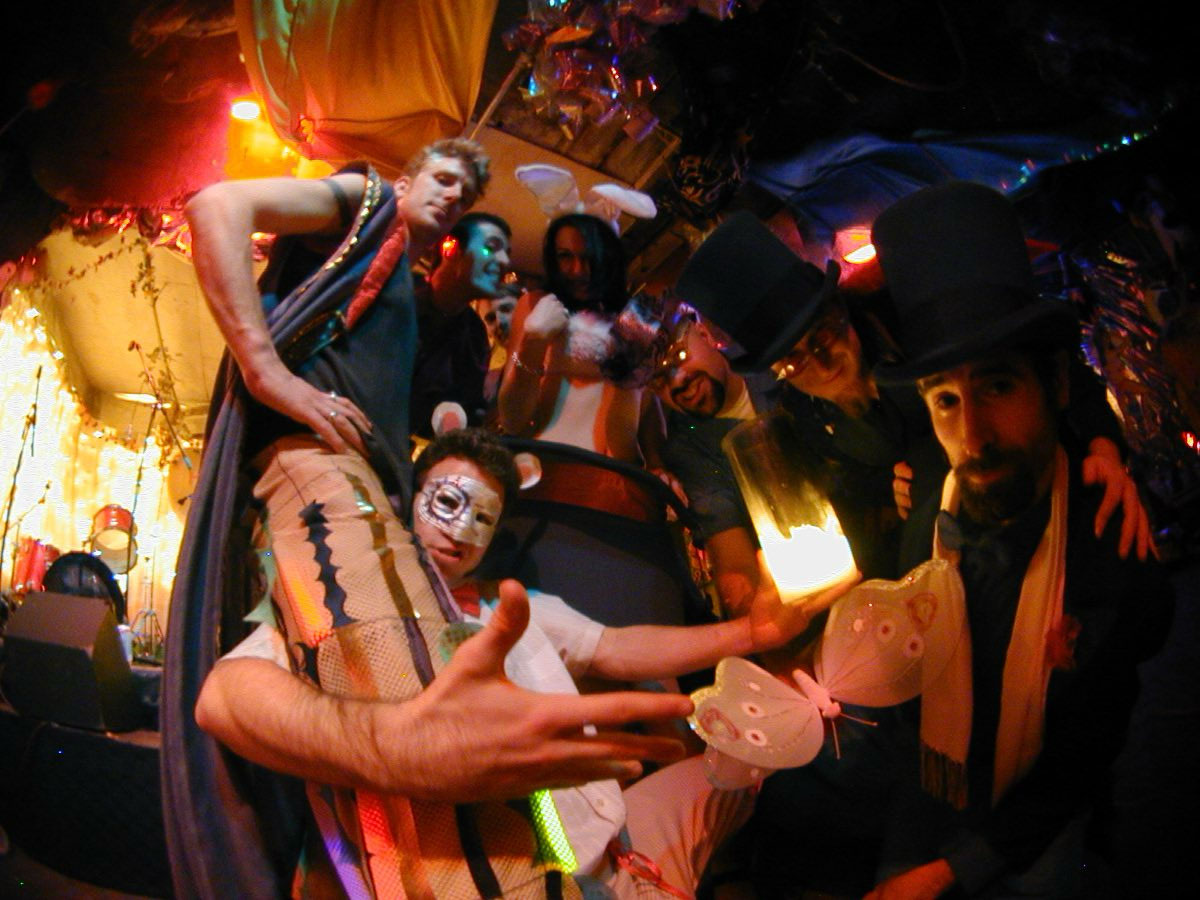
February 10, 2002
“The Faerytale Brigade”
- Introduces the “Faerytale Brigade” as a circle of NYC artisans embodying living Story.
- Describes sensory overwhelm and near-constant drowning that makes ordinary life hard to navigate.
- Centers the brotherhood with James Vogel and shared devotion to Story/magic as a stabilizing thread.
- Presents the Brigade as early “avatars of Story” who open windows between magic and mundanity.
- Highlights photography as the one reliable skill—capturing lightning-moments of coherence amid chaos.
- Positions this community as an initiation into worlds-within-worlds (Dollhouse/mythic overlays) before the formal Quest begins.
Read More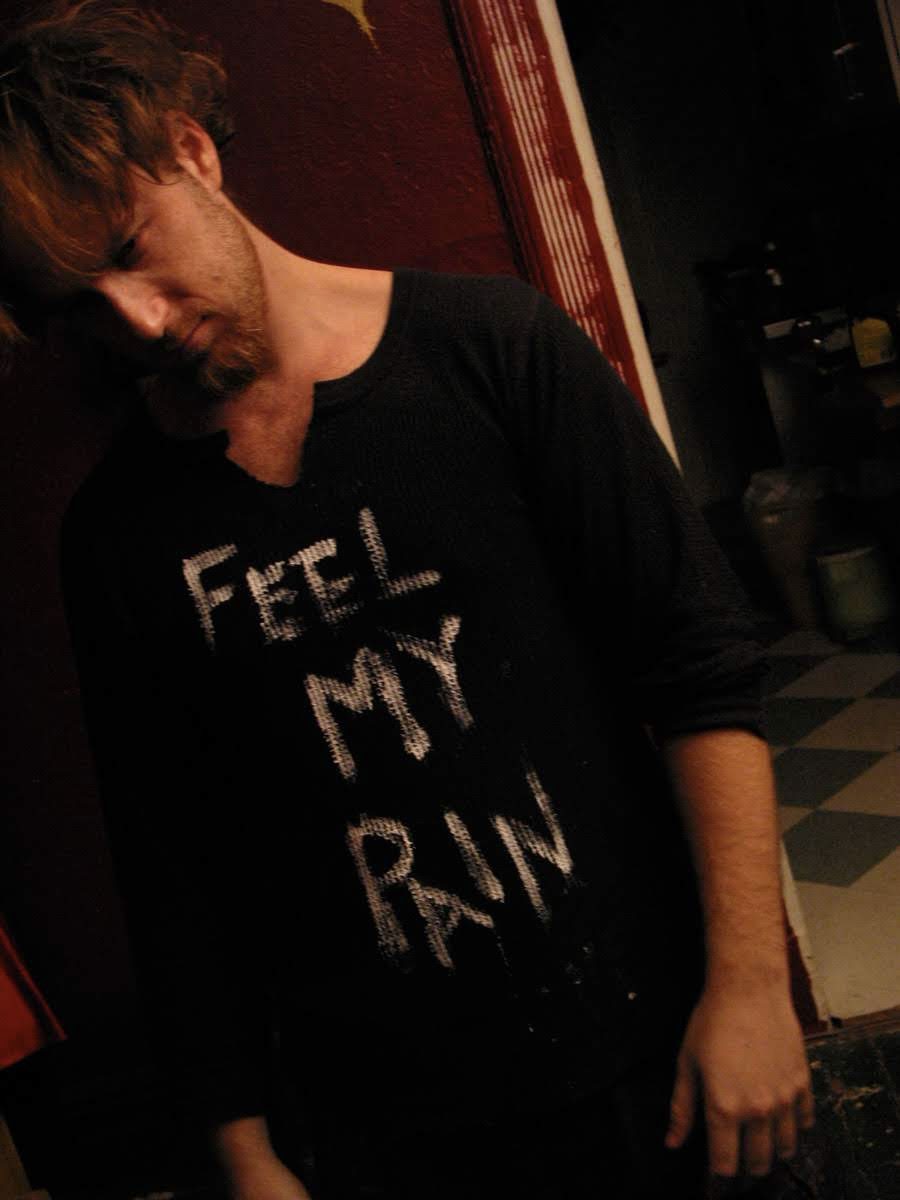
April 4, 2002
“Festival of Wounding”
- Frames a moody gathering called the “Festival of Wounding,” themed around pain and harm.
- Places the event at Burke and Tara-Lee’s home, described as a quirky, story-thick space.
- Juxtaposes social heaviness with Peter’s ongoing role as witness—seeing why the photos mattered in hindsight.
- Highlights a pivotal “bathroom of God” moment: reflected light beneath muddy footprints becomes revelation.
- Names the insight that imperfect traces of human passage can be seen as divine expressions (“muddy footprints of God”).
- Sets up how meaning appears through small sensory portals even amid overwhelm and dysfunction.
Read More
May 5, 2002
“Colors of Art”
- Explores early obsession with the hidden “architecture” beneath creativity—art as energetic language.
- Highlights James Vogel as a model of excellence and grounded craft with mystical undertones.
- Introduces “chromatic acuity”: sensing vibrational signatures/“colors” of art beyond the visible form.
- Depicts galleries and museums as overwhelm-inducing portals where pieces seem to hum and speak in sensation.
- Shows the attempt to ground impressions via photos, sketches, and notes—chasing shifting meanings.
- Positions art investigation as a survival strategy and a map-making practice for the in-between realms.
Read More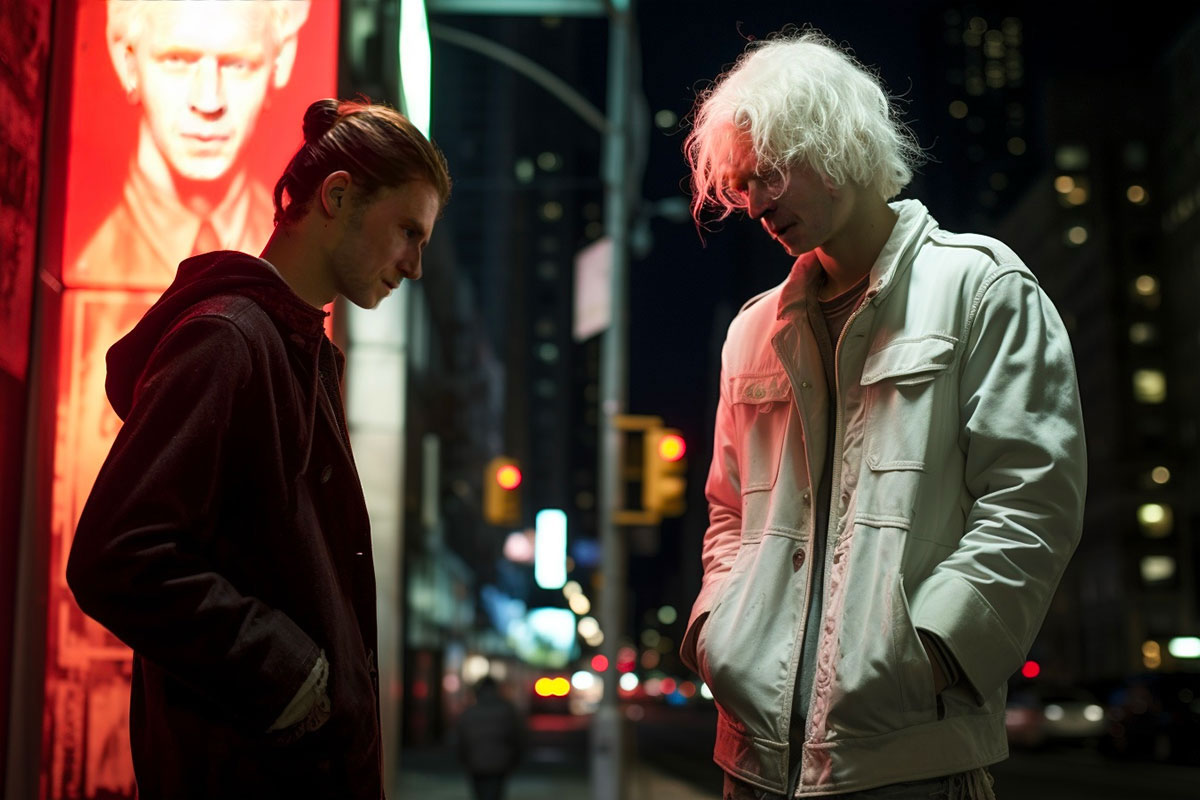
May 16, 2002
“All in Time”
- Introduces Dan Walsh as a “Lord of Time,” an ambassador who makes rhythm/time briefly tangible.
- Describes chronic incomprehension of time and structure as part of flickering, unmoored consciousness.
- Frames rhythm as a living force (drumming) and a language Peter couldn’t yet understand.
- Notes a later turning point after Burning Man, when dance devotion unlocks felt sense of rhythm.
- Shows Peter documenting shifts through notebooks/photos as an attempt to anchor in timeline/chronos.
- Suggests time mastery as a key initiation for surviving the mortal plane and continuing the Quest.
Read More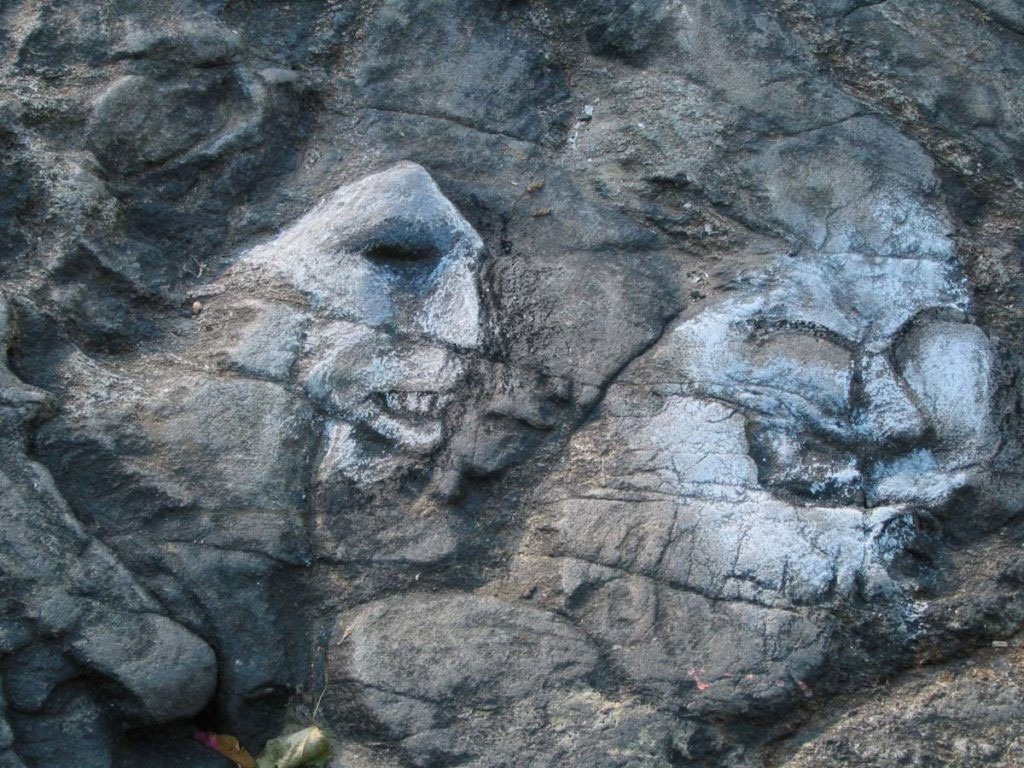
June 8, 2002
“Magi of Manhattan”
- Articulates a 2002 revelation: people in New York appear as embodiments of larger archetypal truths.
- Frames friends/allies (Vogel, Walsh, the Brigade) as “avatars” opening windows into the world beneath the world.
- Describes the city as sensory storm and crucible where divine patterns can be glimpsed amid chaos.
- Emphasizes the search for “architecture to creation” and the goddess-thread moving through daily life.
- Links secret-identity/superhero symbolism to coping with overwhelming vibrations and manipulation fears.
- Positions this clarity as part of the Call to Adventure that makes leaving inevitable.
Read More
June 21, 2002
“Age of Delirium”
- Introduces “Age of Delirium” as the collective madness peering through broken windows of perception.
- Describes uncontrolled lens-shifts: oscillating between divine clarity and basic functional incapacity.
- Recounts meeting “Delirium” embodied as a shaved-head British girl radiating slippery madness.
- Frames the encounter as both terrifying and seductive, mirroring Peter’s own splintered state.
- Connects to Gaiman’s Endless mythos and self-identification with destructive archetypal force.
- Holds the tension between madness and majesty—hinting at redemption beyond fracture.
Read More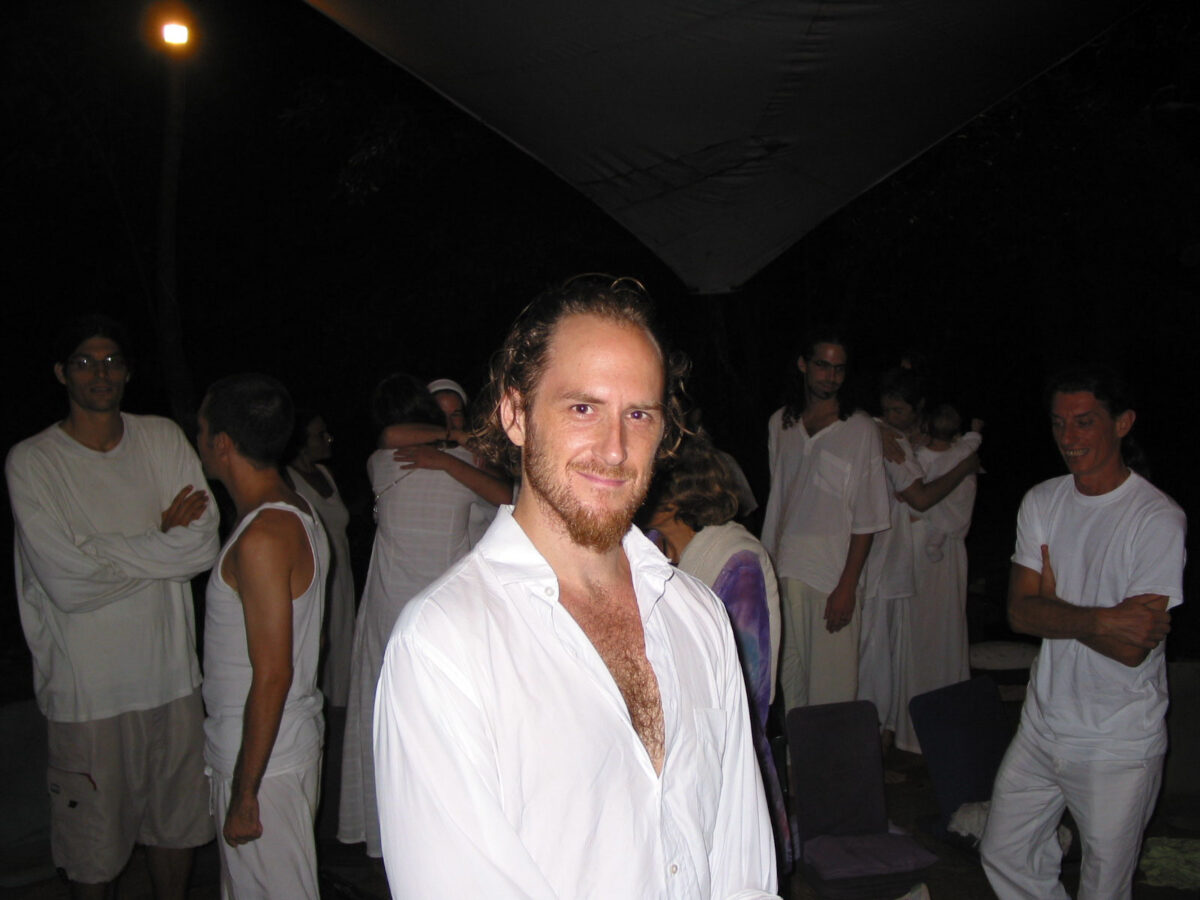
July 7, 2002
“Pacha Mama”
- Moves the story to Costa Rica as the first major step out of the city and into living green vitality.
- Introduces Pacha Mama as an intentional jungle village encountered through allies (Kiana/Alok).
- Highlights a stilling encounter with a great turtle laying eggs—earth wisdom quieting inner chaos.
- Depicts early exposure to pujas/kundalini-style shaking and arm-holds as unfamiliar but seed-planting ritual tech.
- Shows Peter’s difficulty with stillness and self-processing even in paradise; the land acts as patient mother.
- Notes recognition of a cultural trend: people leaving polluted cities for more Edenic bioregions and community experiments.
Read More
July 20, 2002
“Muse of Dance”
- Credits Terpsichore, Muse of Dance, as the first initiator into embodiment and earth-plane grounding.
- Describes dance spaces as temples of sweat, color, and gravity—sites of death/rebirth and refuge.
- Highlights intuitive movement over pre-made choreography; form appears/disappears in ghostlike flickers.
- Frames dance as a language: feeling others’ emotions and energies translated into motion.
- Notes ongoing devotion across styles (drum/dance halls, martial inquiry) as a path of integration.
- Introduces Peter Ralston/Cheng Hsin as a later influence toward effortless power and relational combat wisdom.
Read More
July 28, 2002
“Hearts in Underland”
- In the Akashic Library, Calliope draws Peter back to Central Park as his first true gateway into the “underlands.”
- Peter describes sensing an elemental intelligence beneath the city—deva-loci voices singing through sidewalks, lights, traffic, and crowds.
- Central Park’s bridges, arches, and stone passages become mythic thresholds: urban architecture as doorway into story.
- The Alice in Wonderland statue names the pattern: “underland” as the surreal terrain beneath ordinary perception, accessed through the looking glass of consciousness.
- Peter introduces the “prism of perception”: each person’s reality shifts by karma, vibration, and inner lens—everyone is “Alice” traveling a private wonderland within a shared world.
- A mushroom night clarifies the subtle geography, deepening communion with deva (rocks, water, birds) and revealing simultaneous layers: the manufactured city inside the eternal forest.
- Crossing out of the park into Harlem, a deer in the streets seals the teaching—nature as the underlying truth beneath civilization, and a vow to map Peter’s own underland territories.
Read More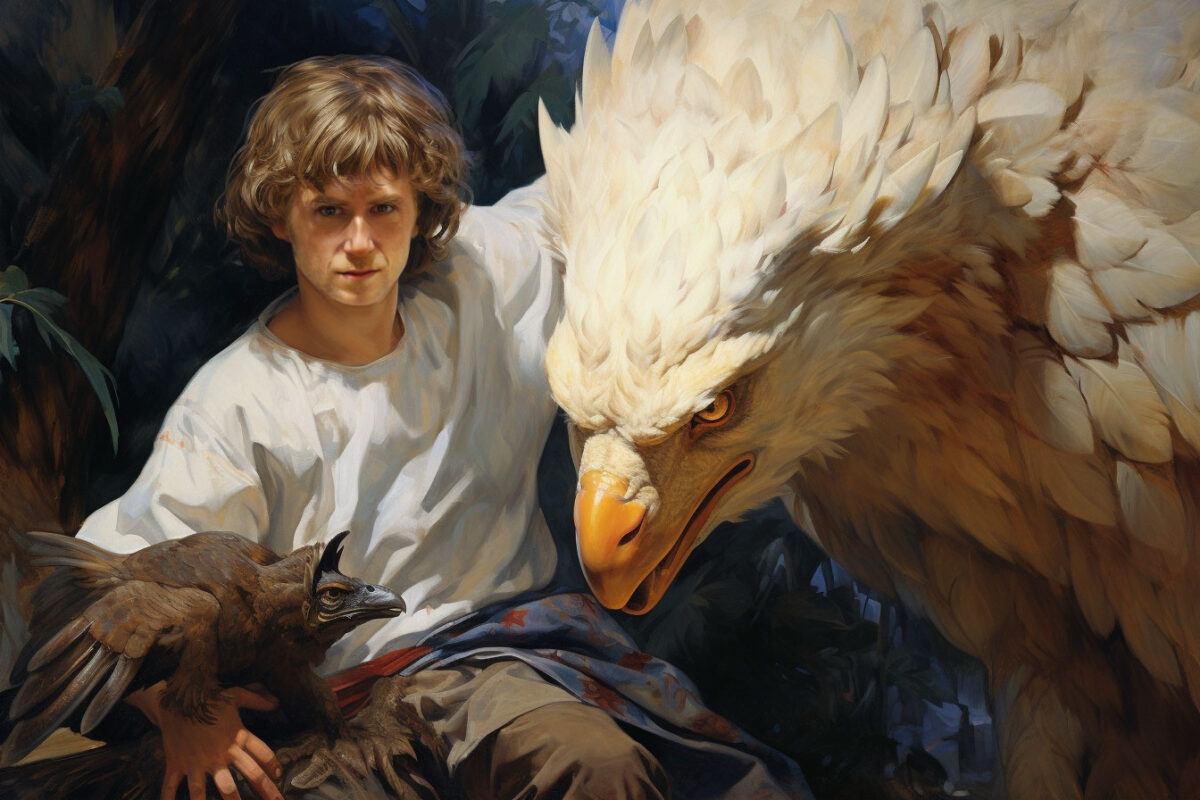
August 13, 2002
“Flight of the Griffin”
- Introduces “Griffin” as a name received during the death of Peter’s father and a search for fortitude.
- Frames renaming as divination and identity re-anchoring during grief and transformation.
- Links griffin symbolism (lion/eagle virtues) with feline devotion/Bast energy and noble ferocity.
- Recounts a Central Park theatrical/ritual event (Seth Trucks) that deepens sense of life as living myth.
- Depicts an underworld passage involving a coffin/subway-like journey, mushrooms, and liminal escorting.
- Ends with releasing an ally into new life and sharing the name “Griffin” as talismanic gift.
Read More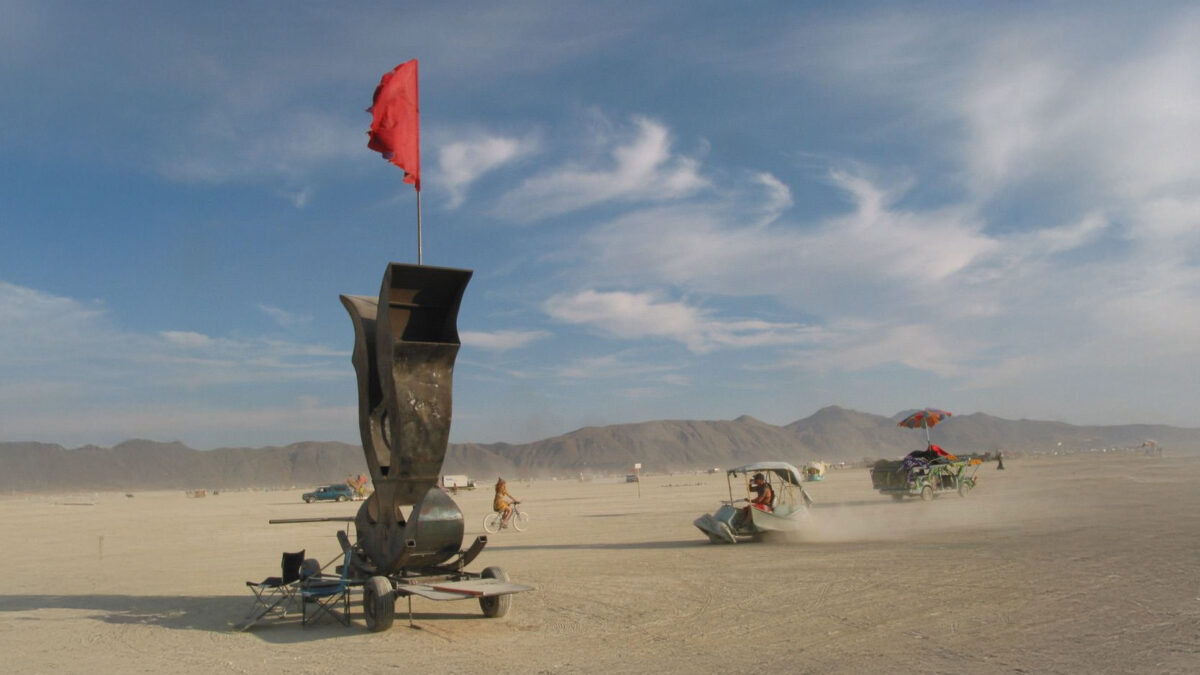
August 31, 2002
“Blackrock – The Floating City”
- Positions Blackrock/Burning Man as the “City of Dreams,” an ephemeral magical metropolis of fire and art.
- Frames it as a waypoint between leaving New York and heading toward Kauai for survival and renewal.
- Describes the desert city as a convergence of synchronicities, tribes, and creative liberation under ordeal.
- Highlights elemental intensity: iron/metalwork, dust storms, pyres, and the deva-like presence in the weather.
- Emphasizes embodiment and reinvention—burning away old selves to access freer identities.
- Uses photography as continued witnessing: signs in the sky, languages lit from behind, angels in desert light.
Read More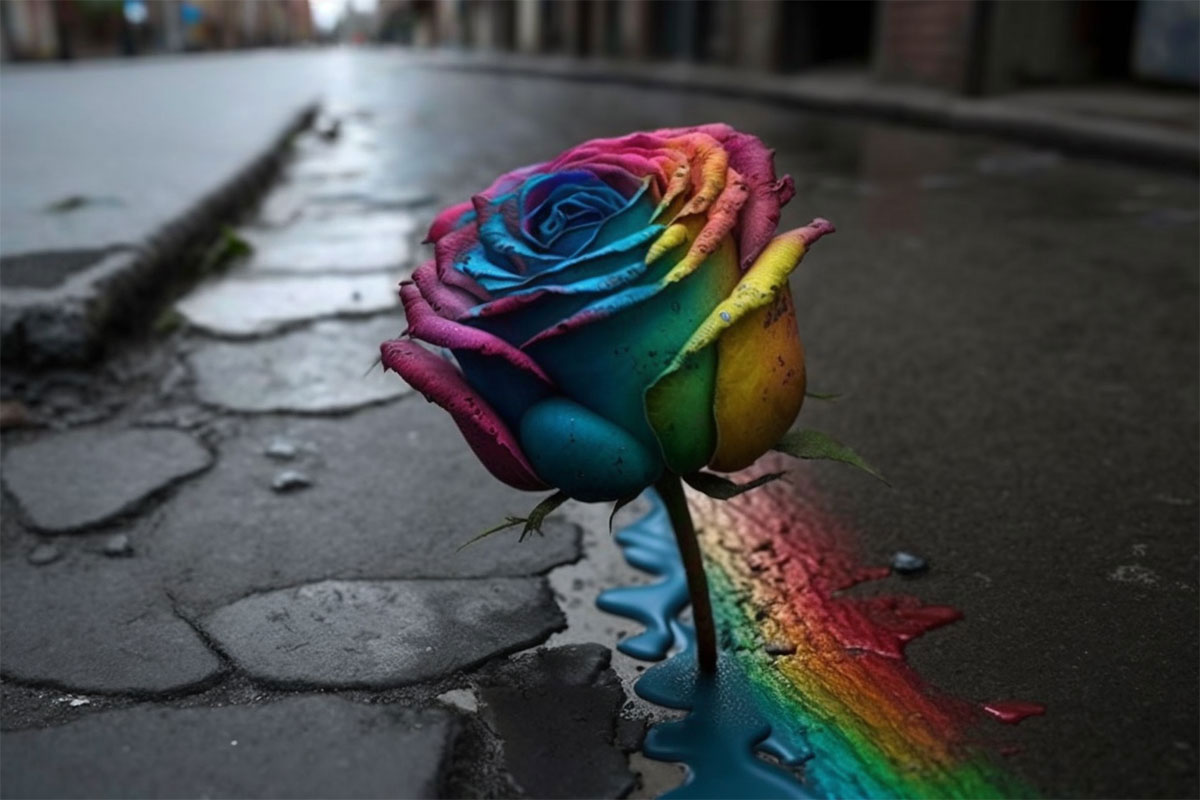
September 7, 2002
“The Promise”
- Declares the core vow made in New York: leave to find the magic and return with a map/treasure.
- Frames departure as painful but necessary under the hammering vibrations of modern life.
- Uses imagery of farewell and threshold—walking away from the city’s overwhelm toward Quest unknown.
- Positions the promise as service-oriented: bring discoveries back for the people/community.
- Sets James Vogel as key witness/fellow traveler in spirit at the point of parting.
- Aligns the episode with “Portal to the New Earth” as the larger mythic frame for the journey ahead.
Read More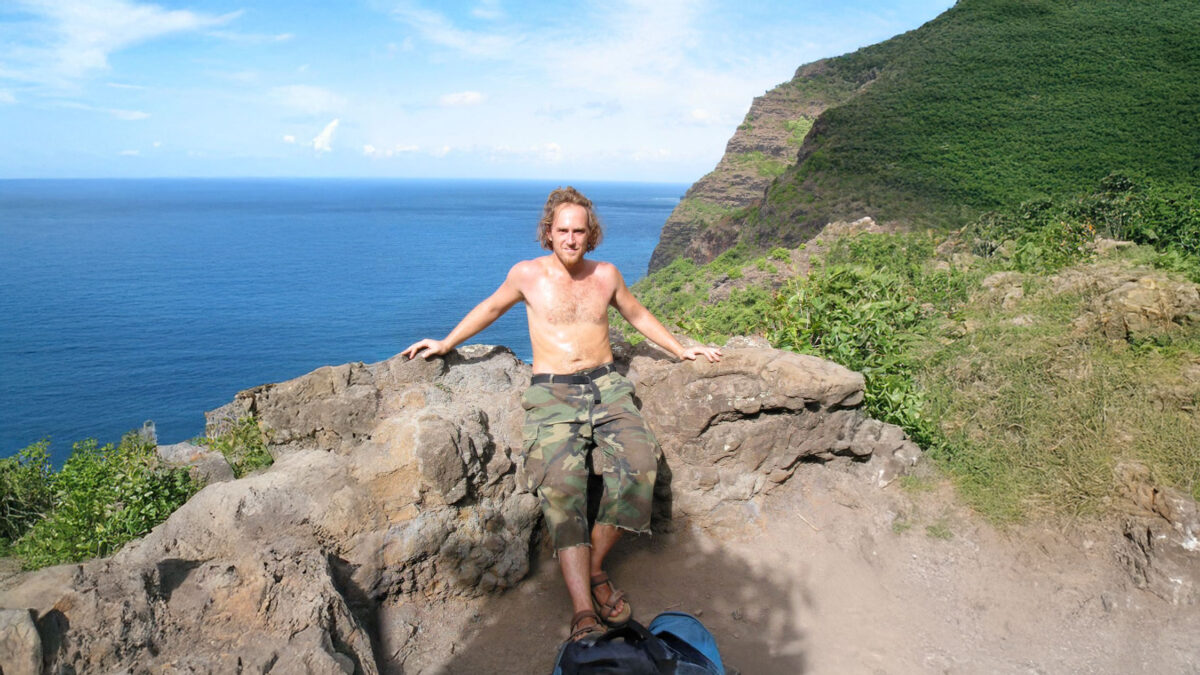
September 9, 2002
“The Garden Island”
- Establishes Kauai (“The Garden Island”) as a foundational teacher linking land and consciousness.
- Opens with the thread of documentation: camera use evolves from art into mythic mapping practice.
- Introduces Anini Beach lodging synchronicity with elder Huna students (“white magicians”).
- Presents Serge King and Huna techniques, including early exposure to “aka threads.”
- Highlights “talkstory” and string-figures/cat’s cradle as embodied metaphor for woven mo’olelo patterns.
- Includes fire offering/dance as communion with island elements and foreshadowing dragon-sigil emergence.
Read More