
2004 - "Academy Year One"
2004

May 11, 2003
“Angels of Time & Space”
- Walsh visits Peter at Shangri-Lafayette, and Peter frames the visit as carrying a “magic of Time.”
- Peter describes acquiring costume-like items (chainmail vest, black wings, sword) and using them as props for a spontaneous ritual/photo session.
- They enact an “angel” archetype together, treating the moment as a form of witnessing and invocation rather than playacting.
- The chapter emphasizes that the scene felt like a real energetic alignment (virtue, majesty) rather than a casual photoshoot.
- The page links out to a published post and names Walsh as the featured character.
Read More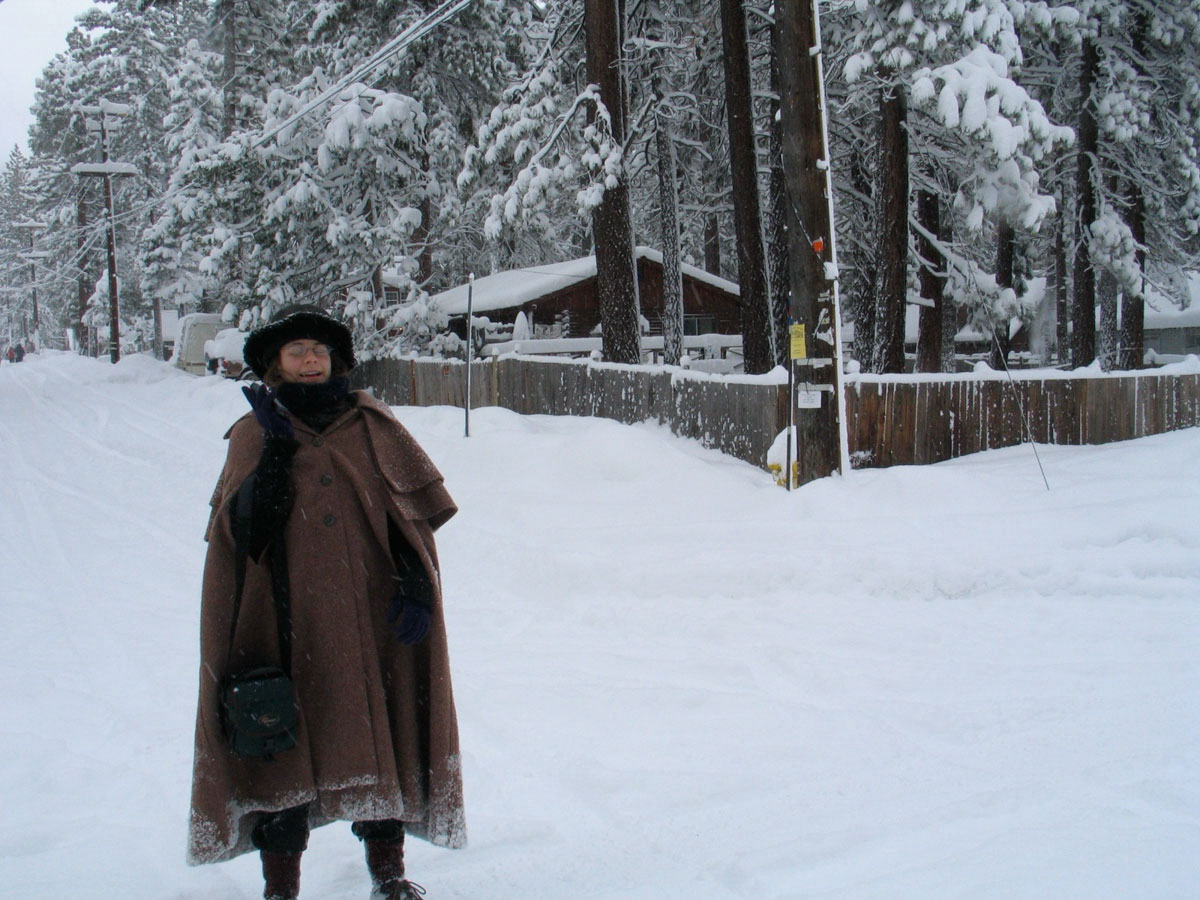
January 8, 2004
“The Quiet Witch”
- Peter notes the symbolic significance of living at the corner of “Golden” and “Deer” in snowy Kings Beach, reading it as a portent about kingship and guidance.
- The page includes a series of winter photos of Rebecca and a social circle gathered in snow, which Peter interprets as an archetypal “sacred circle” in modern form.
- Peter describes sensing a familiar ripple-like quality in these moments, similar to earlier playa experiences, as if subtle patterns are repeating.
- He focuses on a snow-laden tree formation as a “portal,” describing the elements (snow/branches) as forming a doorway between realities.
- He describes Rebecca as luminous and queenly in these scenes and expresses gratitude for being with her.
- He frames the moment as recognition that his Tahoe community and Academy-adjacent life is embodying mythic structures he has been tracking.
Read More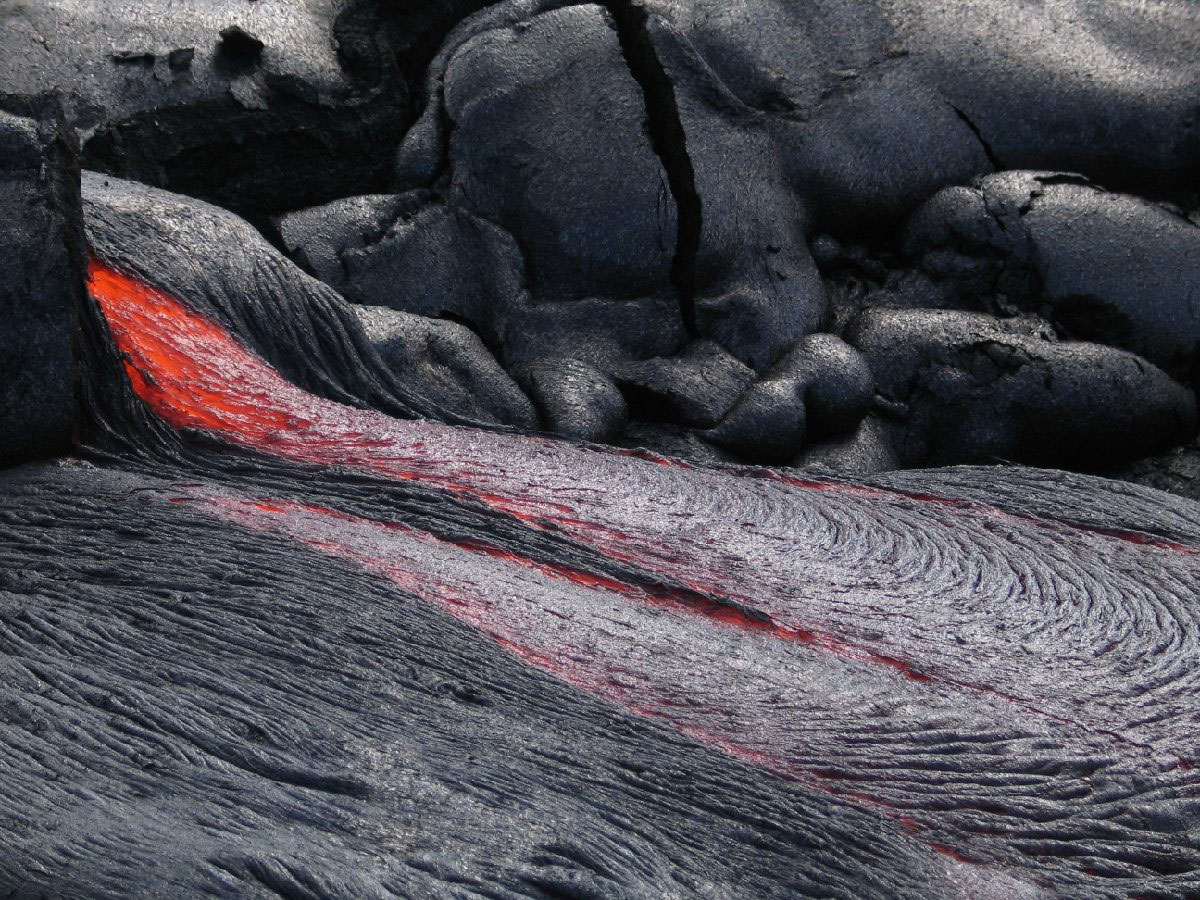
May 25, 2004
“Dragons of Pele”
- Peter returns to Hawai‘i seeking elemental stability, describing his consciousness as chaotic and in need of the islands’ purity.
- He visits volcanic terrain and focuses on lava as an active birthing force, observing molten rock creating new land.
- He reports receiving a strong experiential “download” while witnessing magma and channels spontaneous ritual language in response.
- He describes the newborn lava fields as both new and ancient, and notes recurring sensations of rippling folds and density.
- He continues wandering to caves and a healing pool, using bathing and time in water as calming and restorative practices.
- The chapter frames the island as a teacher through fire, land, wind, and water rather than through human instruction.
Read More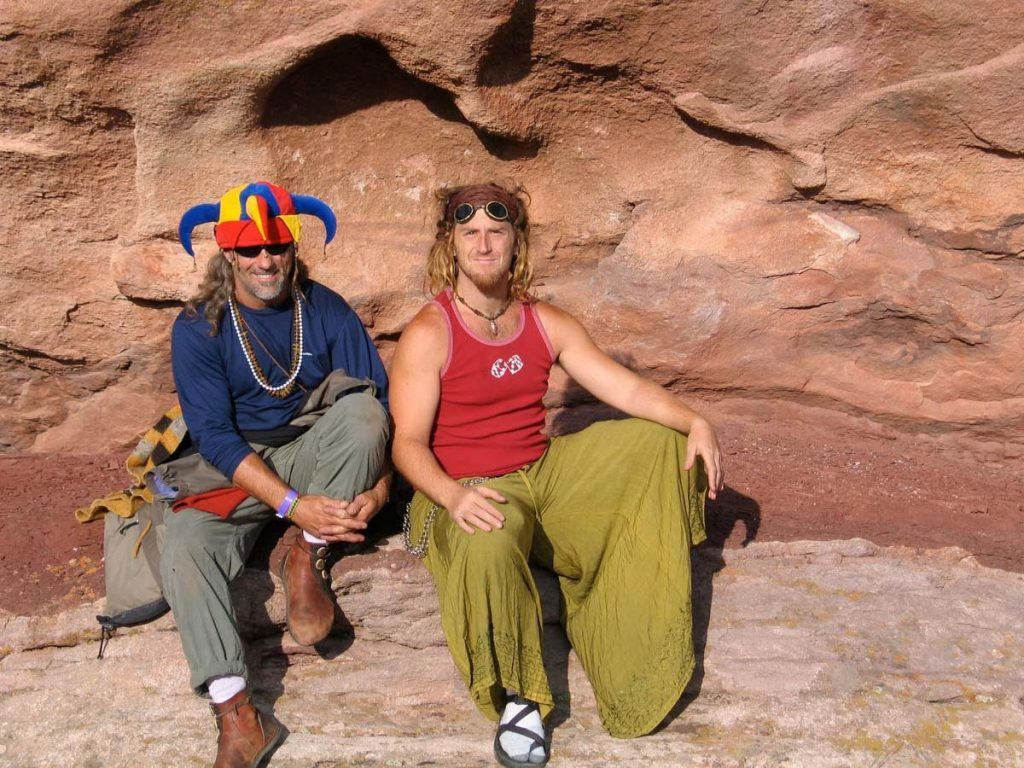
June 5, 2004
“Argonaut Mythic”
- Peter describes having a prophetic dream in which he is an Argonaut traveling through stormy waters in search of the Golden Fleece with a cadre of heroes.
- Shortly after, Mitch Boxwell invites him on a real road trip in an RV, which Peter frames as the dream’s mirror and names the vehicle “The Argus.”
- Peter observes Mitch doing practical repairs and describes feeling safer traveling with someone grounded and capable in the material world.
- They visit music/culture spaces (a “temple of jam” with Grateful Dead imagery) that Peter reads as devotional sites rather than simple bars.
- On the journey they encounter festival and landscape moments (Bonnaroo, Red Rocks, storms/tornado) that Peter interprets through mythic analogies (Charybdis, omens).
- Peter reports an expanded, communal experience of music and receives what he calls a “gift of singing,” along with acquiring instruments and other objects as talismans.
Read More
August 16, 2004
“Return to Firedance”
- Peter returns to the Firedance/Circle of Fire environment with Walsh and notes relief at being around other magicians again.
- He describes the circle’s symbols and sigils as more abstract/removed from the elemental deva energy he feels directly, but still meaningful.
- He describes encountering an “avatar of Venus” again while moving around the circle, continuing his pattern of archetypal recognitions.
- The chapter reads as a short note/scene marker rather than a full narrative, with one key theme: applied magic in community space.
Read More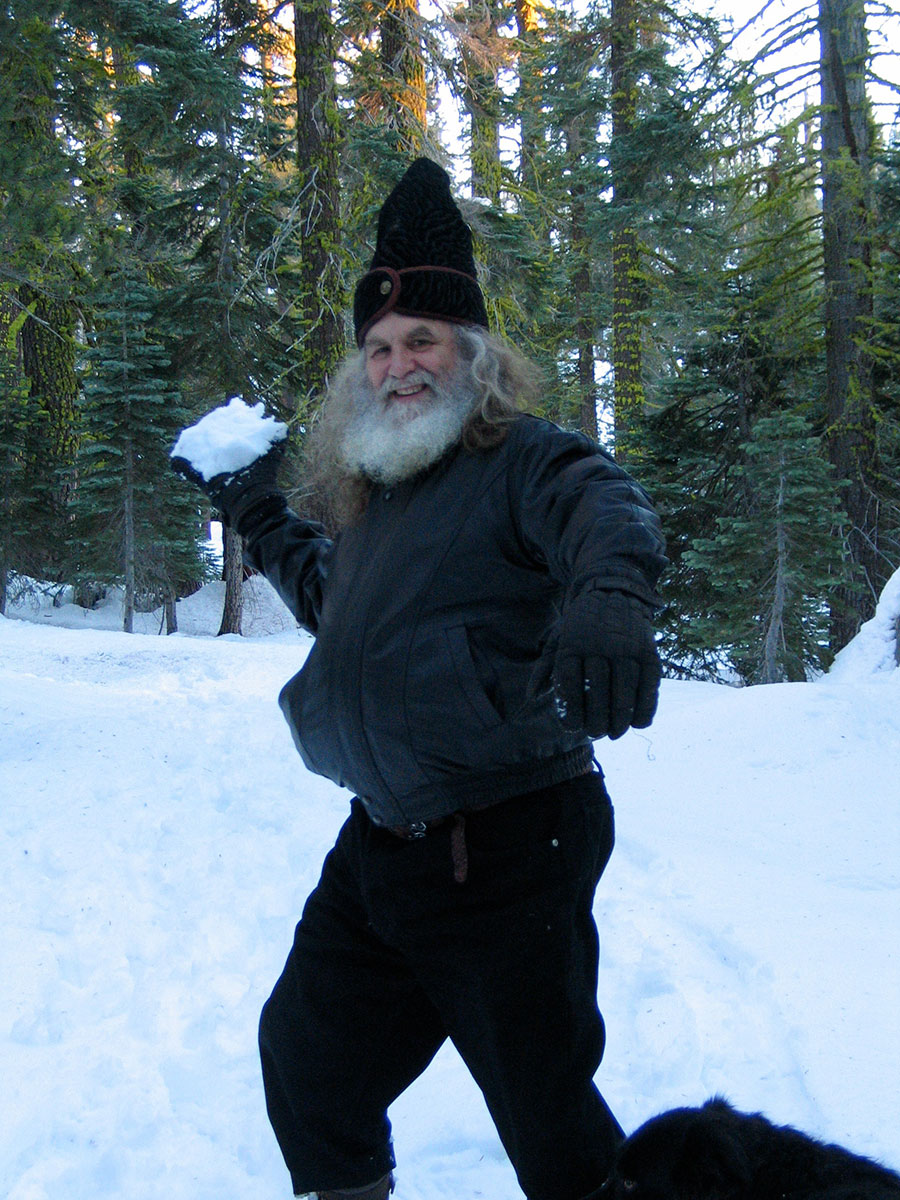
December 1, 2004
“Wizards in Winter”
- Oberon Zell visits the Academy while traveling to another event, and Peter frames the visit as an honor and a convergence of magical lineages.
- Peter notes the presence clarifies and activates sexual/pagan energies in the Academy environment.
- The body text is brief and mostly functions as a scene marker for Oberon’s arrival and the circle’s gathering.
Read More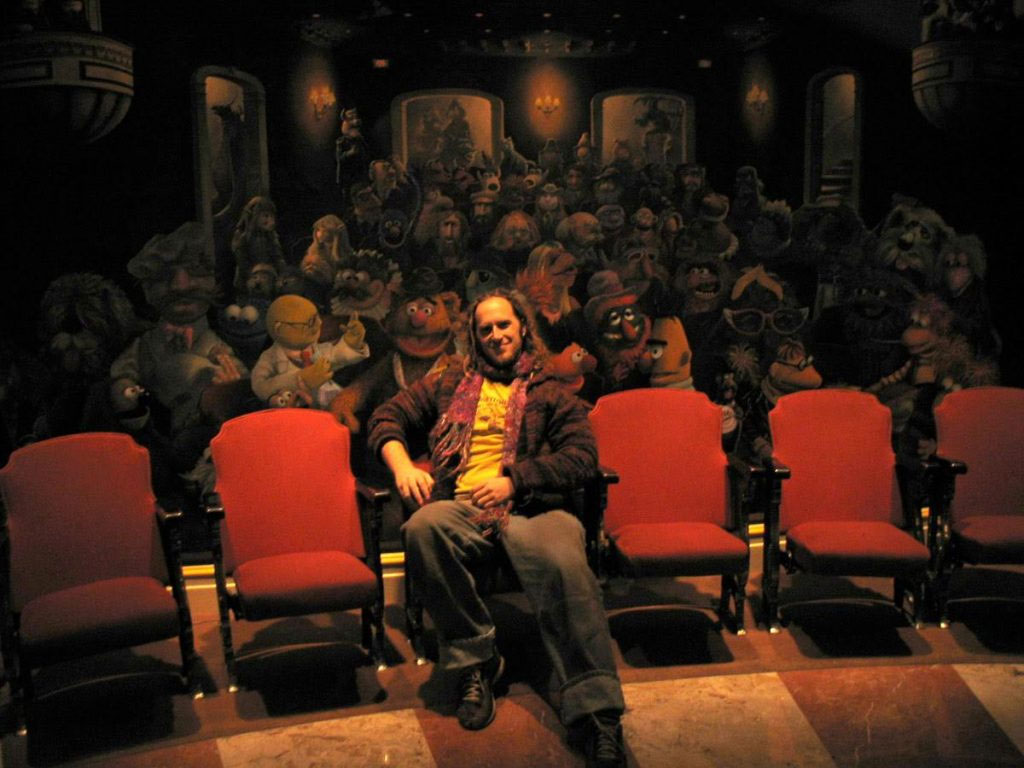
December 12, 2004
“The Muppet Mansion”
- Peter returns to New York with Rebecca and visits James Vogel's workspace — a place he names "the Muppet Mansion" — framing it as a seat of cultural and mythic royalty.
- The space carries the visual and energetic signature of the Dark Crystal and Henson's creature-world: intricate geometry, old-world fabrication mastery, the presence of faerie encoded in physical craft.
- Peter recognizes the Muppet lineage as a direct expression of faerie consciousness moving through popular culture — the same frequency he was studying at the Academy, wearing a different face.
- In honorific, Peter plays music for Jim Henson — "the Muppet King, now since departed from the material plane with excellence in his wake" — a musical offering to the invisible root of the lineage.
- Peter sits in the Skeksis throne and declares himself Emperor — a spontaneous ritual act, a moment of mythic confluence treated with full seriousness: "When, really, does one have the opportunity to sit in the Skesis Throne and proclaim oneself the Emperor? Such moments of confluence are potent things, and I wasted no time invoking it."
- The chapter establishes James's workspace as a sacred site in the Mythica's geography — a node where the Henson lineage is alive and tended by a living craftsperson.
- Peter's childhood relationship to Labyrinth and Dark Crystal is explicitly named: he watched Labyrinth three times on the same day as a teenager; both films are cited as formative mythic education.
Read More
December 24, 2004
“Flicker & Rain”
- Peter identifies the “Flicker & Rain” episode as his first deep lesson about misuse/right-use of sexual energy and the wounded Divine Masculine.
- He describes being drawn into unclear relational/sexual dynamics and realizing the consequences of confusion and impulse.
- He frames the experience as a moral and behavioral pivot that will influence him for years, not just a one-off incident.
- The page includes multiple images and names the involved characters (Rebecca and Mike), but provides limited scene detail beyond the framing statement.
- The repetition of the opening summary underscores that the chapter’s purpose is primarily the lesson, not the blow-by-blow story.
Read More