
Sangre de Cristo
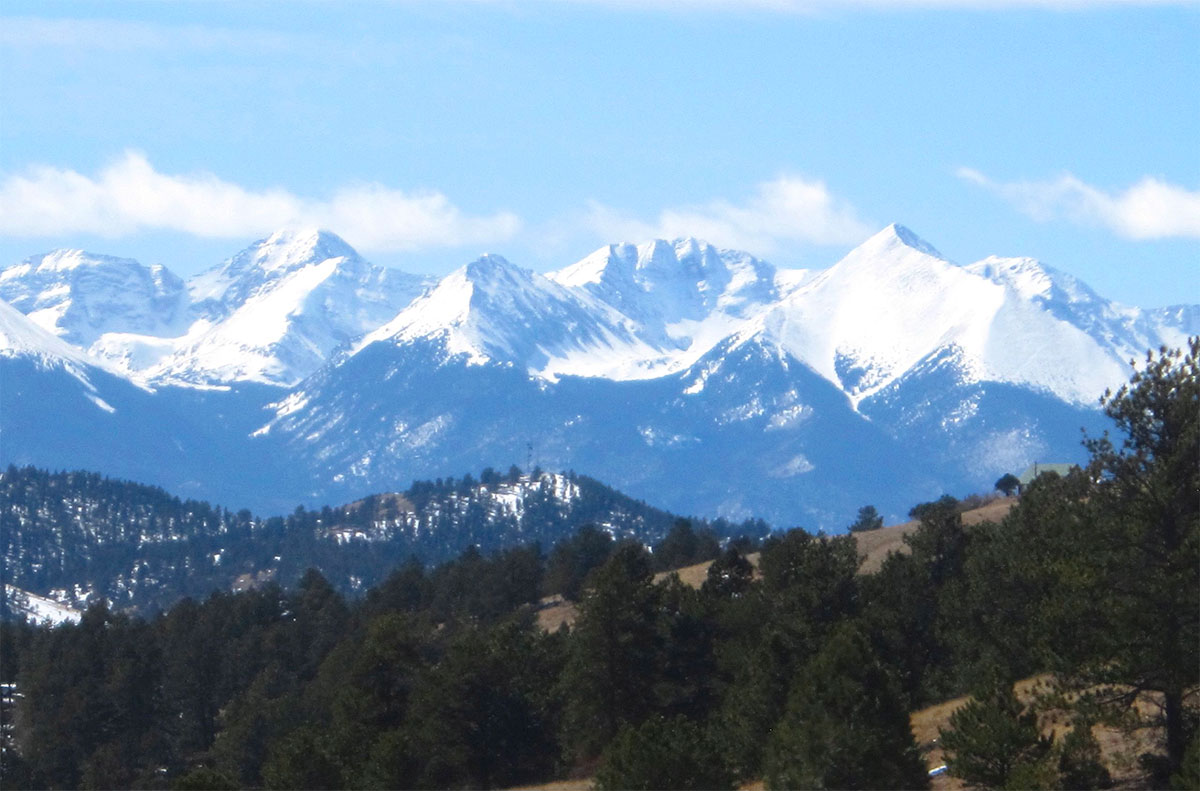
Blood of Christ — a name given by the Spanish who first came to these mountains and felt something in them that the language of conquest could only reach for through its most sacred vocabulary. The Sangre de Cristo range is the range of mountains that cradles Crestone, Colorado in its eastern embrace — one of the most significant sacred places in North America and a geographical anchor point for multiple chapters of the Mythica's ongoing adventure. Rising dramatically from the floor of the San Luis Valley, the Sangre de Cristo range carries a distinctive elemental signature: the quality of the fire and earth elements combined in their most ancient and austere expression, granite peaks that have stood since before human memory, holding a quality of witnessing that far exceeds the human scale.
Crestone and the surrounding valley have long been recognized as a spiritual power point by the indigenous traditions of the region, and in recent decades have become home to an extraordinary concentration of spiritual communities from many of the world's major traditions — Tibetan Buddhism, Vedanta, Carmelite Christianity, Taoism, and various indigenous ceremonial lineages among them — drawn to the particular quality of the land's elemental field. In the Mythica's cosmological framework, this concentration of spiritual seeking in a single geographical location is understood not as coincidence but as the law of correspondence operating at the collective scale: the specific elemental quality of the Sangre de Cristo range and the San Luis Valley resonates with the specific quality of consciousness oriented toward depth, contemplation, purification, and the direct encounter with the akashic dimensions of reality.
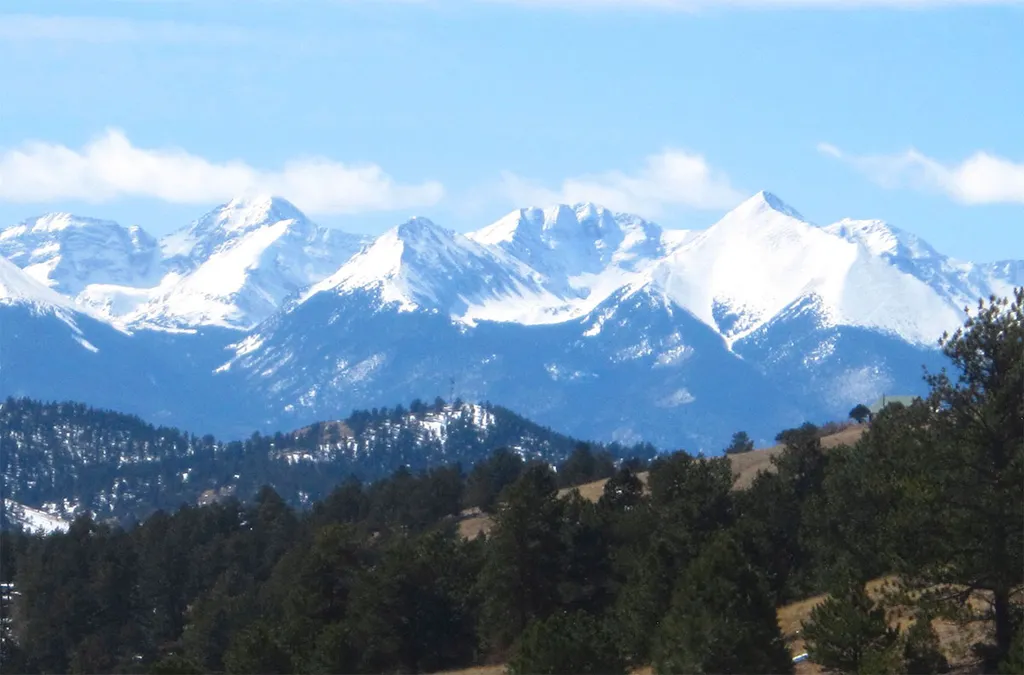
For the adventurers of Into the Mythica who have moved through this land, the Sangre de Cristo mountains function as what sacred cartography calls a power point of initiation — a place where the quality of the land accelerates and concentrates the inner work that the traveler is already engaged with, making what might take years in ordinary territory possible in days or weeks. The mountains are not passive scenery. They are participants. And they ask of those who enter their sphere the same quality of austere, patient, enduring engagement with the depths of the self that the mountains themselves embody in their own ancient, granite way.