
Findhorn
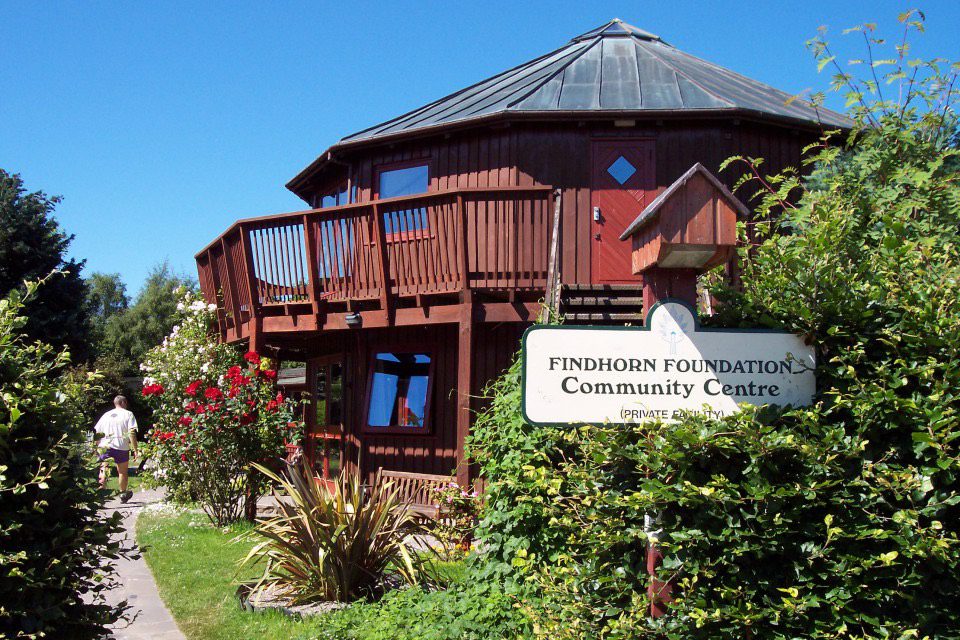
On the northeastern coast of Scotland, on a windswept peninsula of sand dunes and thin soil, something remarkable happened. What began in 1962 as a small caravan site — three people, Peter Caddy, Eileen Caddy, and Dorothy Maclean, following inner guidance in difficult circumstances — grew into one of the most significant examples of conscious community-building and human-deva collaboration in the modern era. Findhorn produced plants and vegetables of astonishing size and vitality in soil conditions that should have yielded almost nothing. When word spread, investigators came. The phenomenon was real. What made the difference was the quality of regard: the founders' practice of direct, humble, attentive communication with the deva — the elemental intelligences of nature.
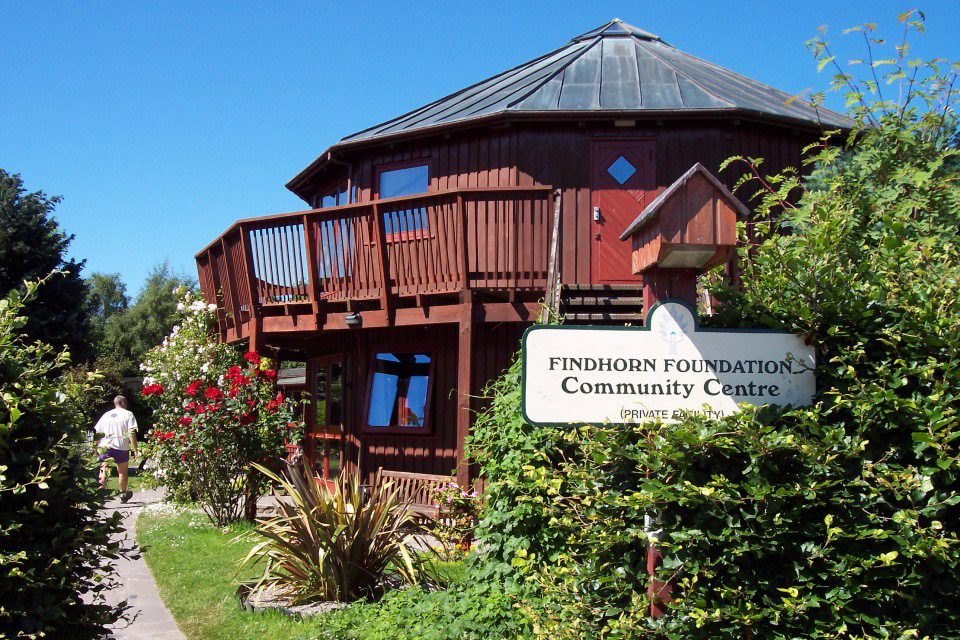
Dorothy Maclean's particular gift was the ability to listen to the angelic, archetypal intelligences that oversee the pattern of each species of plant and element of nature. By entering into a state of receptive inner stillness and following the guidance received, the Findhorn founders created a garden that expressed, in visible form, what becomes possible when human beings enter into genuine conscious partnership with the living intelligences of the natural world. Findhorn thus stands as one of the clearest modern demonstrations of the principle that the deva are real, that they respond to genuine regard and respectful attunement, and that the collaboration between human consciousness and elemental intelligence can produce results that transcend what ordinary material analysis would consider possible.
In the Mythica's cosmological framework, Findhorn represents a living example of the Garden of Gaia in microcosm: a place where the movement from the Age of Shadow toward the Golden Age has been made locally tangible through the specific practices of community, attunement, and co-creation with the land. It is a landmark on the World Tree — a place where the veil between the human and the elemental is thin, where the Grove of Life is experienced not as a concept but as a daily reality. For those who make pilgrimage to Findhorn, it offers a felt encounter with what is possible when ethos, regard, and genuine openness to the land's intelligence shape the relationship between human beings and the living earth. The deva were always waiting. Findhorn simply answered.