
Geometries in the Akasha
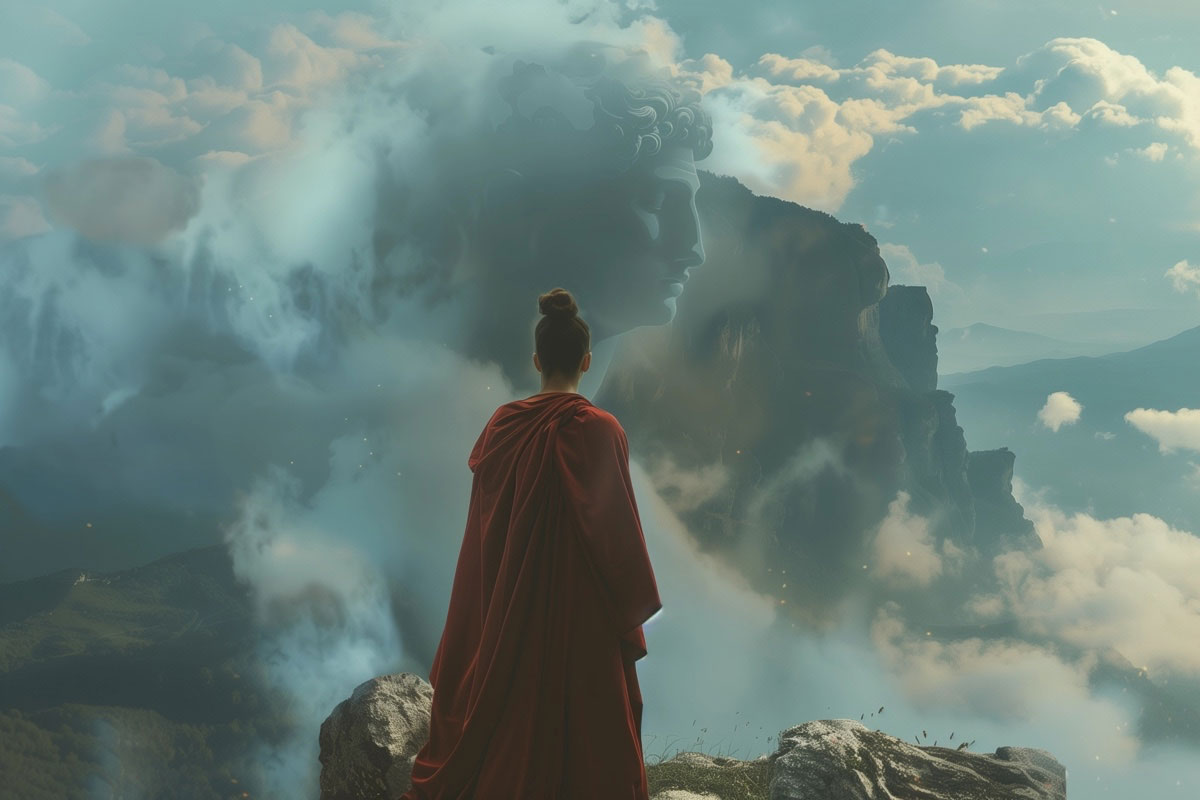
There is a geometry to story.
Not the geometry of classrooms—white triangles and obedient proofs—but the older kind: pattern-work that lives between the stars, the self, and the soil. The angles you can’t quite name, only feel. The way certain things return. The way a door appears exactly when you’re finally the right shape to walk through it.
From inside our lives, everything looks like weather. A day becomes a week. Errands. Messages. Loss arrives like sudden cold. Joy slips in through a window you forgot was open.
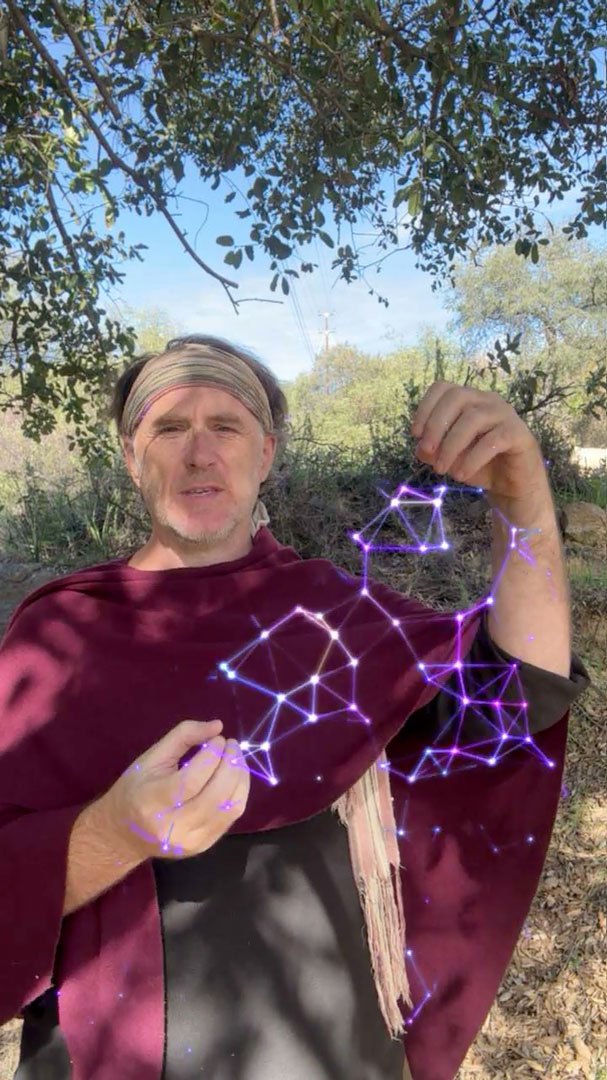
But step back—just enough—and you begin to see it: not a straight line, but a lattice. Threads crossing threads. Events that rhyme. Meanings that repeat in new clothing.
Synchronicity doesn’t behave like coincidence so much as depth—like hidden gears under the floorboards. The visible world feels like the top page of a thicker book. And when we touch divination, we’re not begging for certainty from a machine. We’re practicing pattern-recognition. Listening for the quiet grammar beneath the obvious sentence.
Because there is always a beneath.
There’s the story you tell at dinner parties, sanded down and manageable. And there’s the story that tells you: the subterranean river of motif and recurrence. The same question returning with different teeth. The same emotional room, furnished differently, waiting for you to notice where you keep standing.
You can hear it in yourself, sometimes, without meaning to: I’m here again.
The mind wants to solve that like a puzzle—assign blame, demand a clean reason. But the better question is simpler and stranger: What is trying to be seen?
Perception is the first step. To perceive the substance of the story, not merely the plot. Not just what happened, but the shape of what happened.
Who arrived when they arrived—and what did the timing make possible? What correspondences marked the path: repeating symbols, recurring dreams, a phrase that wouldn’t stop echoing? Who were you in that chapter—hungry, defended, half-blind in exactly the way you needed to be? What motions were available to you: approach and retreat, risk and refusal?
A story is made of those motions as much as it is made of events.
And people always want the next question: How do I change it? Or, in the tired honest way, How do I accept it? But that leaps ahead. The first work is seeing—the kind of attention that doesn’t flinch. The witness-gaze that turns a vague dread into an outline you can trace with a finger.
Divination, at its best, doesn’t hand you a new life. It hands you a clearer map of the one you’re already living.
And sometimes that is enough to change everything.


Responses